


Key Takeaways
- BVD happens when your eyes don’t align properly, and even a small misalignment can cause noticeable symptoms.
- Headaches, dizziness, and trouble with reading are signs you should schedule an eye exam.
- Prism lenses and vision therapy can help manage symptoms in both children and adults.
- Early detection in children can help prevent lasting vision problems down the road.
You’ve probably powered through headaches you couldn’t explain, or noticed your eyes feel worn out after an hour of reading. Maybe your child is struggling in school, but no one can pinpoint why. These kinds of problems often get blamed on stress, screen time, or attention issues, when the real cause might be something happening with how your eyes work together.
Binocular vision dysfunction, or BVD, happens when your eyes don’t quite line up with each other, and even a tiny misalignment can cause noticeable daily symptoms. The good news is that Total Vision Financial District offers thorough evaluations and treatment to help get to the bottom of symptoms like these.
What Is Binocular Vision Dysfunction (BVD)?
When your eyes work together as they should, your brain receives clear pictures that it can then use to send you information about the world around you. With BVD, your eyes sit slightly out of alignment, so your brain receives 2 very different images and has to work hard to make sense of what is going on. The misalignment might be so small that it doesn’t show up on a basic vision test, but your brain can still notice it.
To keep your vision from doubling, your brain forces your eye muscles to constantly correct that misalignment. That constant effort is exhausting. Over time, it can produce symptoms that look a lot like migraines, anxiety, or even ADHD, which is why BVD can sometimes go undiagnosed for years.
Signs That Something Might Be Off
Physical and Visual Symptoms
The physical signs of binocular vision dysfunction can feel unrelated to your eyes at first. Frequent headaches are one of the most common complaints, especially after reading or screen time. You might also notice blurred or double vision, dizziness, trouble with balance, or sensitivity to light.
These symptoms tend to get worse the longer you spend on visually demanding tasks. For some people, computer vision syndrome can overlap with BVD symptoms, making it harder to identify which issue is actually driving the discomfort.
Reading and Focus Struggles
Reading is where BVD tends to show up clearly. If you or a loved one skips lines, loses their place, or finds words blur together on the page, your eyes may be struggling to track in sync. For children, this can sometimes be mistaken for a focus or attention problem. Because ADHD symptoms can overlap with BVD symptoms, a children’s eye exam that includes coordination testing is important for determining what is going on with your child’s learning.
At-Home Checks vs. A Full Eye Exam
Simple At-Home Cover Test
A quick cover test can give you a starting point, but it cannot replace a comprehensive eye exam with coordination testing.
Sit about 10 feet from an object, cover 1 eye, and notice whether anything shifts or if you feel any discomfort. Then switch. If covering 1 eye changes how comfortable or clear your vision feels, that’s worth mentioning to an eye doctor. It won’t give you a diagnosis, but it can flag something worth investigating.
The Role of Comprehensive Eye Exams
Not all eye exams include coordination testing, so it’s important to ask your eye doctor if that’s included in your visit. An eye doctor in San Francisco’s Financial District can evaluate eye alignment directly, using specific tests that go beyond the typical letter chart. Comprehensive eye exams cover far more ground than a basic vision screening, and if you’ve had a regular exam and still have unexplained symptoms, a BVD-focused evaluation is the next step.
What a BVD Evaluation May Look Like
What Gets Assessed
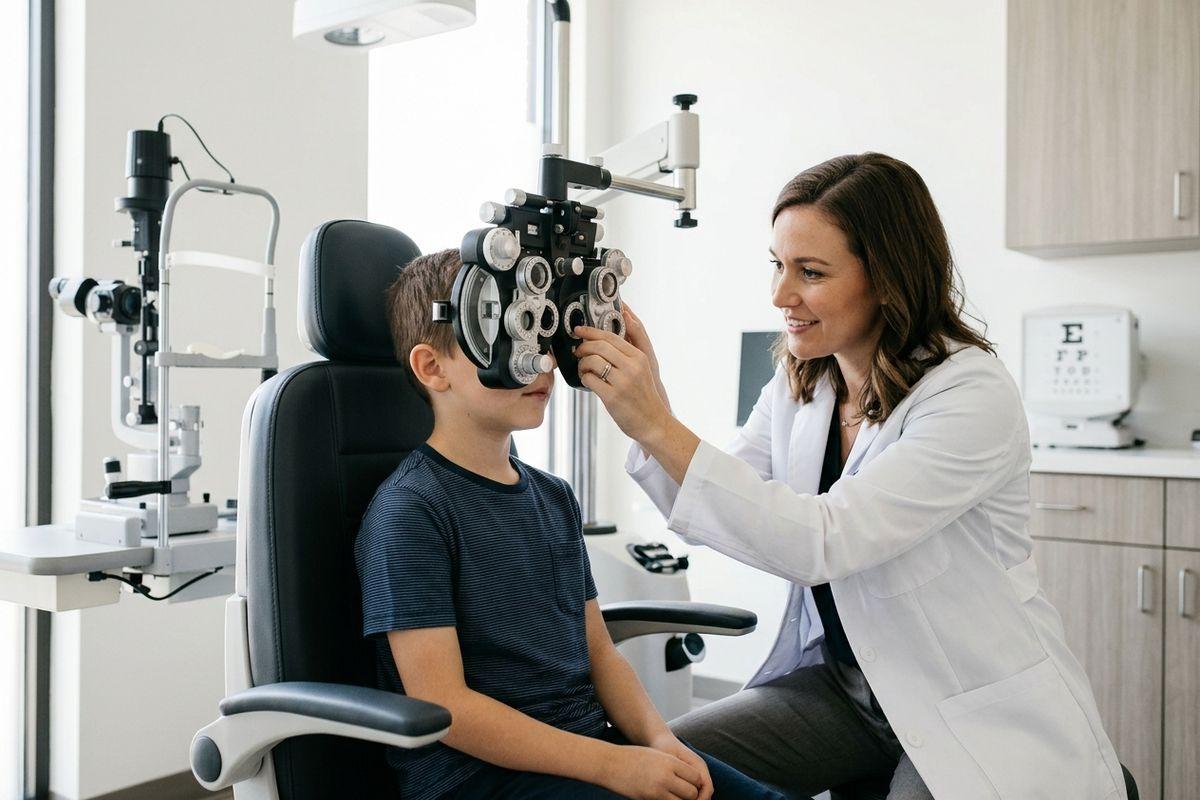
A BVD evaluation looks at how your eyes move, align, and focus together. Your eye doctor may assess tracking, coordination, and how your eyes respond under different visual conditions. It’s a more detailed process than a routine exam, designed to catch the kind of subtle misalignment that standard testing can sometimes miss.
Who Should Get Tested
Not everyone needs a BVD-specific evaluation. If you have a few unexplained symptoms, it may be worth asking your eye doctor at your next visit whether a BVD diagnosis is worth exploring. That could include:
- Frequent headaches or dizziness that don’t have a clear cause.
- Children who are struggling in school with reading or concentration without explanation.
- Those who have experienced a concussion or head injury and noticed changes in their vision or balance.
What Happens After a BVD Diagnosis
Treatment Options
If you received a BVD diagnosis, there are treatment options to help relieve your symptoms.
The most common approach is prism lenses. These are glasses with a special lens that shifts how light enters the eye, helping both eyes work together with less strain. For some people, vision therapy can also be a helpful addition, using guided exercises to strengthen eye coordination over time.
The right approach depends on your situation, and an eye doctor can help map it out after a thorough evaluation. In some cases, Neurolens lenses are also worth exploring, as they use a contoured prism design to address eye misalignment and ease symptoms like headaches and eye fatigue.
Results for Kids and Adults
Children who get support for BVD often report finding reading easier and feeling more confident in the classroom. Adults often report noticing fewer headaches and less dizziness in their day-to-day lives. For children especially, catching it early can help prevent ongoing vision challenges that can become harder to address later on.
Schedule Your Eye Exam
If any of this sounds familiar, whether for yourself or your child, our team at Total Vision Financial District can help you find answers. Reach out to schedule a comprehensive eye exam with an eye doctor in San Francisco and get a clearer picture of what’s going on with your vision.