

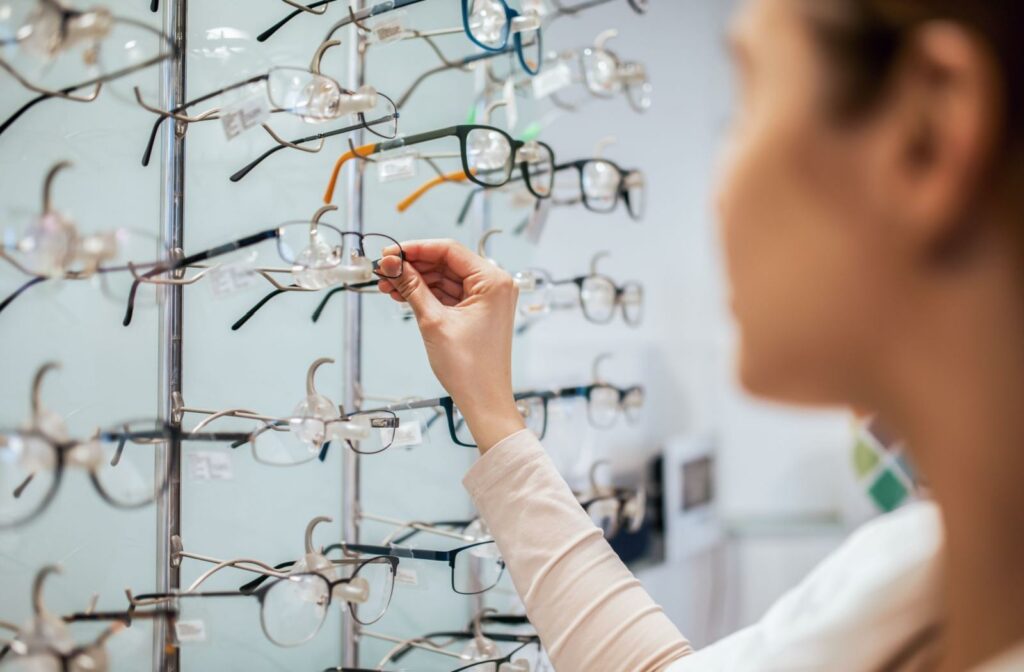
Most prescription glasses last between 1–3 years before you need a replacement. This timeframe considers both the rate at which our vision changes as well as the effects of physical wear and tear.
An updated prescription with our team at Total Vision Financial District can help you see clearly and avoid unwanted eye strain.
Key Takeaways
- Most frames and lenses last one to three years with regular daily use.
- Deteriorated lens finishes and bent frames point to a need for replacement.
- Frequent headaches or blurred sight suggest your prescription needs an update.
- Proper storage and gentle cleaning help stretch the life of your glasses.
- Regular visits to an eye doctor in San Francisco help protect your overall vision health.
The Average Lifespan of Prescription Eyewear
Daily use exposes your frames to sweat, body oils, and constant movement. Physical decline caused by these elements usually limits the lifespan of a pair of frames to no more than 3 years.
Vision also changes over time. Once your vision changes enough, you’ll need to get new lenses in order to maintain clear vision. Comprehensive eye exams can help you track the rate of these changes.
Factors That Impact How Long Glasses Last
Frame Materials & Construction Quality
The materials you choose play a large role in frame durability. For instance, titanium options handle drops and sudden impacts much better than standard plastic frames. Titanium also resists bending and maintains its shape after months of wear.
Spring hinges absorb daily pressure when you take your frames off your face. This flexibility prevents the arms from snapping under sudden stress. A strong hinge construction helps your glasses survive accidental drops and rough handling.
Lens Finishes & Protective Layers
Modern lenses feature treatments that enhance your daily vision. For instance, scratch resistance protects the surface of your lenses from minor scuffs and daily wiping. However, these thin barriers degrade after about 12–24 months of regular cleaning. The protection offered by ultraviolet treatments also weakens with constant outdoor sun exposure.
When these barriers break down, you might notice tiny flakes or cloudy spots on the surface of your lenses. These degraded layers make it harder to see clearly and may suggest that it’s time for an upgrade.
Signs You Need a New Pair of Eyewear
Physical Damage to Frames & Lenses
Physical wear becomes obvious when you inspect your frames closely. You might notice several signs of damage:
- Visible scratches that interfere with your clear line of sight.
- Bent frames, which sit crookedly on your face and slide down your nose.
- Deterioration of protective coatings, leaves strange flakes or bubbles on the surface of your lenses.
These physical issues affect the clarity and comfort of your vision.
Physical Symptoms Of Vision Changes
If your prescription is out of date, you might experience uncomfortable symptoms like:
- Frequent headaches that bring noticeable pain or daily eye fatigue.
- Frequent squinting to read text clearly.
- Blurred vision
These physical reactions suggest that your eyes may be working too hard to compensate for an old prescription. A comprehensive exam helps identify these subtle vision shifts.
The Impact of Outdated Prescriptions on Vision
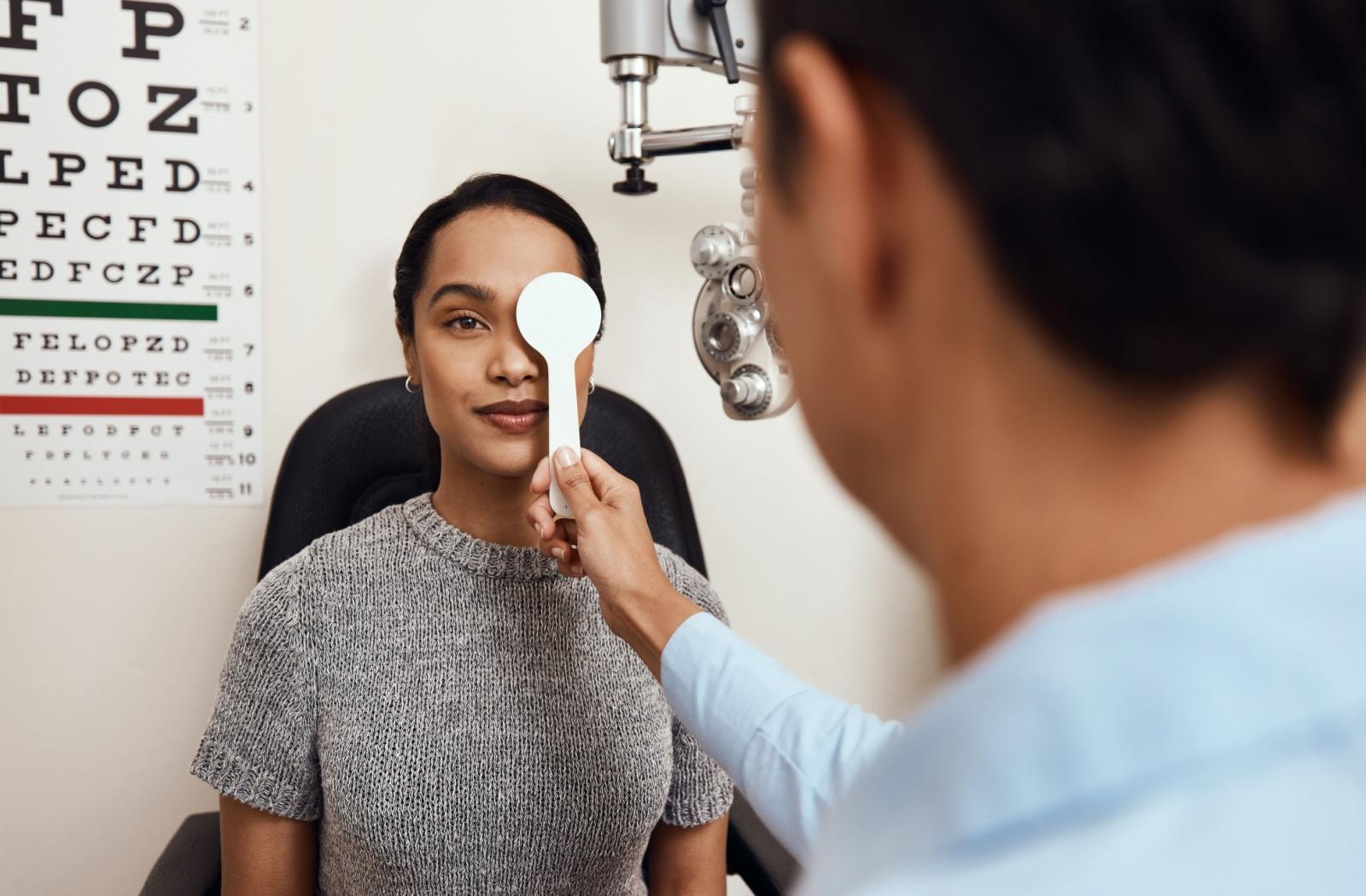
While wearing outdated glasses won’t cause permanent damage to your vision, it can cause your eyes to overwork. This, in turn, can cause uncomfortable symptoms like eye fatigue and digital eye strain. A new prescription offers relief by reducing the amount of work that your eye muscles do to help you focus.
Simple Habits For Eyewear Care & Maintenance
Safe Storage & Daily Habits
How you treat your frames heavily impacts their lifespan. To maintain their longevity, always store your frames in a protective hard case when you go to sleep. Taking your frames off gently with two hands prevents the side hinges from bending outward.
Avoid keeping your frames out in harsh conditions. This includes leaving them in a hot car in summer, as high temperatures can warp the plastic and damage lens treatments.
Proper Lens Care Techniques
Proper cleaning prevents tiny abrasions that damage your lenses over time. Use a clean microfiber cloth every time you wipe away smudges. Paper towels contain rough wood fibers that leave microscopic scratches on your lenses.
You also want to clean your lenses with dedicated optical solutions rather than harsher household chemicals. Gentle care helps keep your vision crisp and clear for much longer.
Keep Your Vision Cleaner & Comfortable
At Total Vision Financial District, we offer complete vision care for families, children, adults, and seniors. Our team also provides in-depth exams and fashionable frames to help you see the world clearly. Schedule your next visit to keep your eyes healthy and your glasses in great shape.