


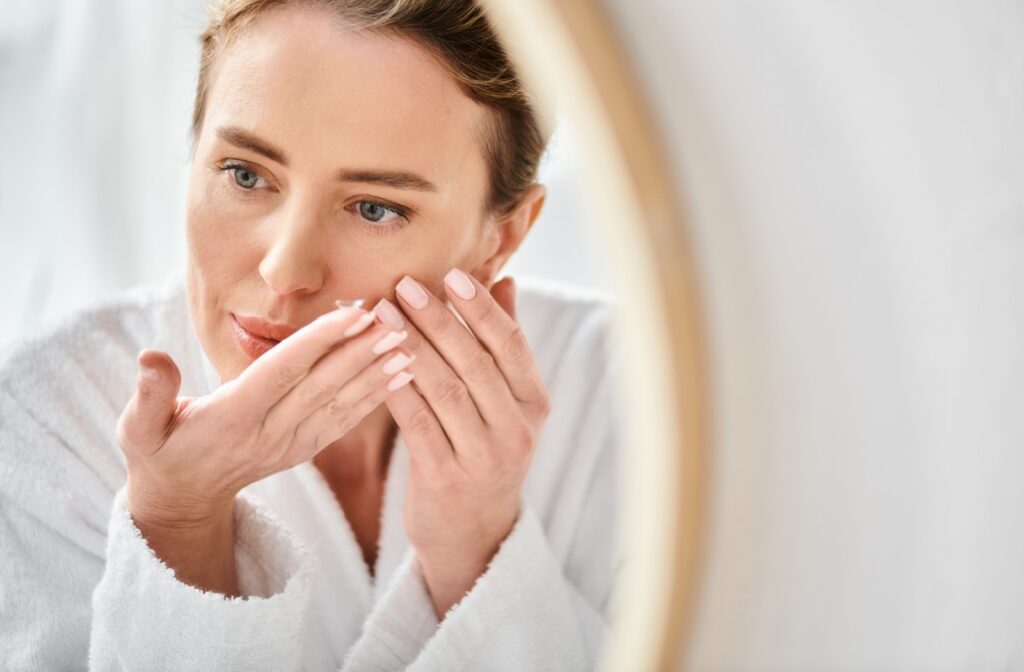
It’s easy to do—you fall asleep on the couch, forget to pack your backup pair of designer eyewear for a trip, or just want to stretch that last pair of lenses for one more day.
While it might seem harmless, extending the wear time of your contacts beyond the recommended schedule isn’t recommended. Wearing contact lenses for too long can reduce the oxygen supply to your eyes, which may lead to discomfort, blurry vision, and an increased chance of eye infections.
Your eyes need to breathe just like any other part of your body. When you keep your lenses in for extended periods, you’re making it harder for them to get the oxygen they need to stay healthy. It’s important that you wear your contacts as recommended and schedule regular contact lens exams and fittings.
The Importance of Oxygen for Your Eyes
Your cornea (the clear front surface of your eye) gets its oxygen directly from the air. Contact lenses create a barrier that can reduce how much oxygen reaches the cornea. Wearing lenses longer than you should limit this oxygen supply, which can cause complications over time.
What Is Corneal Neovascularization?
When the cornea doesn’t get enough oxygen, it can try to grow new blood vessels to get the oxygen it needs. This is the body’s attempt to solve the problem. These new blood vessels, however, can interfere with your vision and make it difficult to wear contact lenses comfortably in the future.
What Happens When Your Eyes Don’t Get Enough Oxygen?
A lack of oxygen can cause your corneas to swell, leading to blurry vision and general discomfort. It also weakens your eye’s natural defenses. This makes your eyes more open to infections and other complications that can affect your sight.
Signs You’ve Worn Your Contacts for Too Long
Your eyes are good at telling you when something isn’t right. If you’ve been wearing your contacts for too long, you might notice a few clear warning signs. Listening to your body is an important part of safe contact lens wear.
Pay attention to symptoms like:
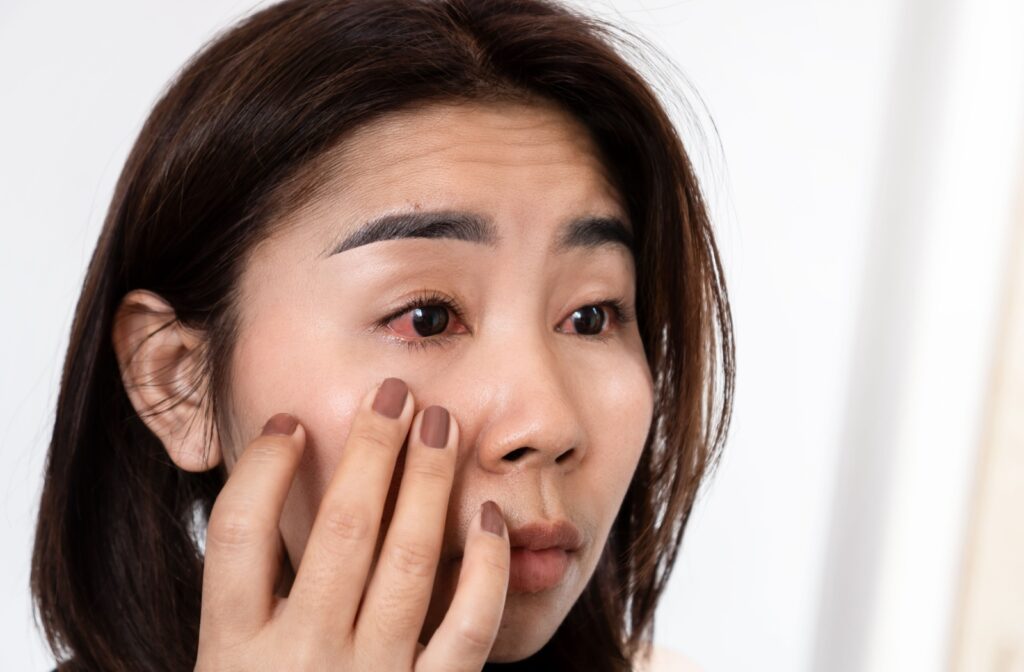
- Redness or bloodshot eyes
- A feeling that something is in your eye
- Blurry or hazy vision
- Increased sensitivity to light
- Dryness or discomfort, which can be symptoms of dry eye
- Excessive tearing or watery eyes
Potential Eye Health Problems from Overwear
Wearing your contact lenses longer than recommended can lead to more than just temporary irritation. Knowing the risks can help you protect your eyes.
Corneal Ulcers & Abrasions
A corneal ulcer is an open sore on the cornea, often as the result of an infection. Overwearing contacts can create tiny scratches on your eye’s surface. These small abrasions can become an entry point for bacteria, leading to a painful ulcer.
Eye Infections
Keeping lenses in for long periods creates a warm, moist place for germs to grow, especially if you sleep in lenses not designed for overnight use. This environment increases your chance of developing an infection like keratitis. Keratitis is an inflammation of the cornea that can be quite serious.
Giant Papillary Conjunctivitis (GPC)
GPC is an inflammatory reaction where small bumps form on the inner surface of your eyelid. It’s often caused by a buildup of natural deposits (like proteins) on your contact lenses, and it shares some characteristics with other forms of conjunctivitis. This buildup irritates the eyelid every time you blink, causing redness and discomfort.
How to Care for Your Eyes After Overwear
If you notice any of the signs of overwear, the first thing you should do is take out your contact lenses. This gives your eyes a much-needed break and a chance to start recovering. However, if your symptoms are severe, don’t hesitate to seek emergency eye care.
Give Your Eyes a Break
After removing your lenses, switch to your glasses for a while. This allows your corneas to breathe freely and get the oxygen they need to heal.
Use Lubricating Eye Drops
Preservative-free artificial tears can help soothe dry and irritated eyes, adding moisture back to the eye’s surface. This can make your eyes more comfortable as they recover from overwear.
Practice Proper Lens Hygiene
Following a good hygiene routine is key to healthy contact lens wear. The American Academy of Ophthalmology provides excellent guidelines for proper contact lens care, including washing your hands before handling your lenses and using fresh solution every time. It’s also important to replace your lens case regularly to avoid a buildup of germs.
Preventative Eye Care & Your Contact Lens Health
The most effective approach to contact lens safety is prevention. Developing good habits and getting regular professional eye care are the foundational steps to keeping your eyes healthy. These practices help you enjoy clear, comfortable vision for years to come.
Follow Your Replacement Schedule
There are many different types of contact lenses. Whether you use daily, bi-weekly, or monthly disposables, stick to the replacement schedule provided by your eye doctor. Trying to get extra wear out of your lenses increases the risk of deposits and contamination. Following the schedule keeps your lenses fresh and your eyes safer.
Schedule Regular Eye Exams
An annual visit with your optometrist helps monitor your overall eye health. Through regular adult eye exams, we can check that your prescription is up to date and look for early signs of any issues related to contact lens wear. It’s a simple step to protect your vision.
Your Eye Health in the Financial District
A comprehensive eye exam is more than just a vision check—it’s an opportunity to ensure your eyes are healthy. As your eye doctor in San Francisco, we can assess your eyes, fit you with the right contacts for your lifestyle, and offer personalized advice for safe wear.
Your vision is important, and taking care of it is a daily practice. If you have questions about your contact lenses or are experiencing any discomfort, we’re here to help. Schedule an appointment with our team at Total Vision Financial District today to discuss your eye health and contact lens needs.

